
What Is Web Scraping and How to Use It?
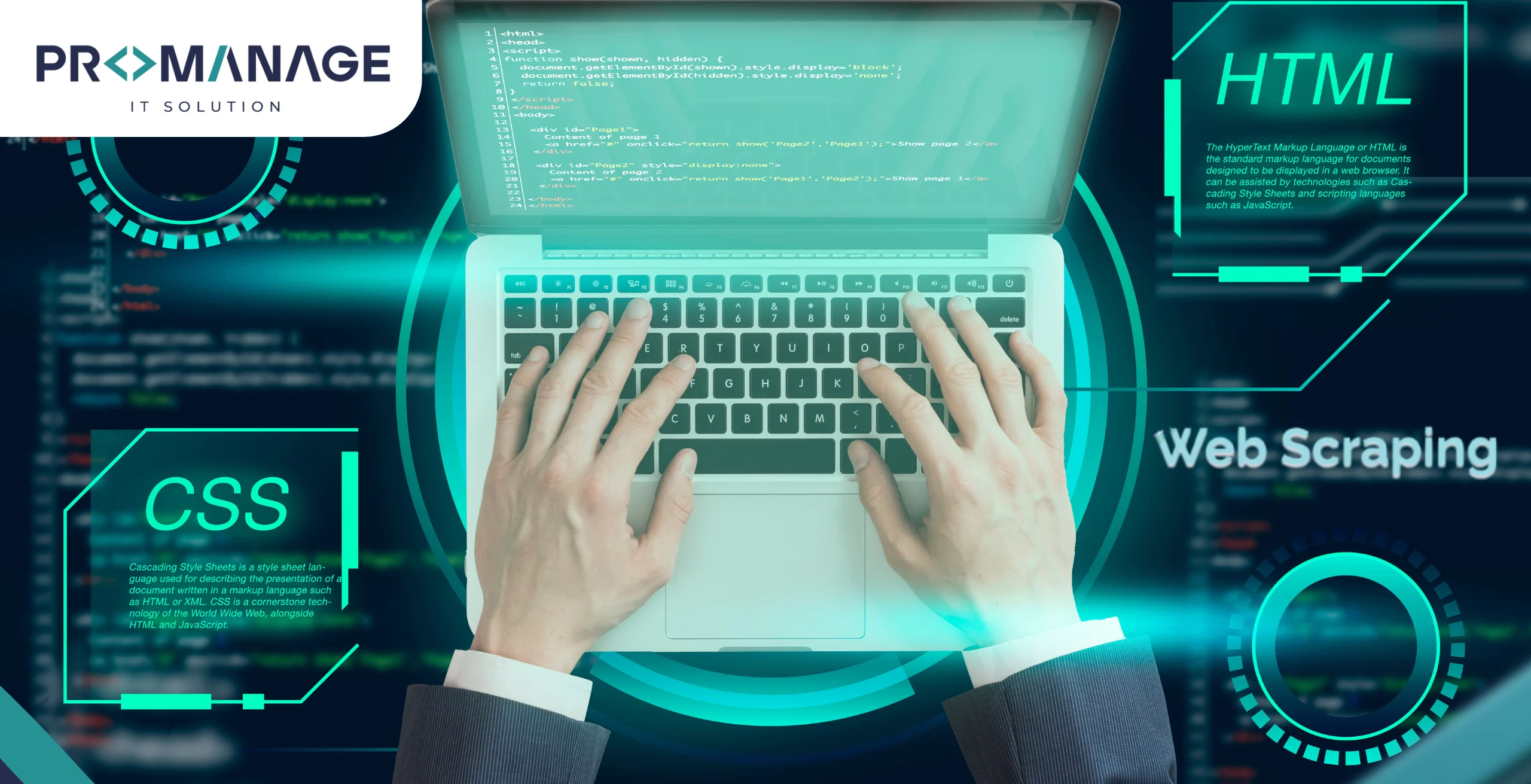
There are numerous websites that publish information on the internet every day. Online shopping sites display product prices. New websites publish articles. Social media platforms show opinions and reviews. This information is useful! But you know what? Collecting it manually takes a lot of time. What’s the Solution? The solution is web scraping.
In this blog, you will clearly understand important things you need to know about web scraping:
- Web scraping meaning
- How web scraping works
- Web scraping using Python
What Is Web Scraping?
The big question: What is web scraping? Web scraping is a process where a computer program automatically visits websites and collects information from them. The program does the work for you in place of copying data. The gathered data is then saved in these formats: Excel sheets. CSV Files. Databases.
What does it mean when people ask what web scraping is? They are generally talking about the same thing: Automatic data collection from websites.
Web Scraping Meaning: Explained
Imagine this situation if you want to understand the web scraping meaning.
You want to know the cost of washing machines from different online stores. You could open each website and note down prices one by one. But you know that it would take a lot of time. A web scraping tool can gather all those prices in just a few minutes.
This process is also known as website scraping or website data scraping. Why? Because the data is taken directly from web pages.
Web Scraper Meaning
The meaning of a web scraper is very simple.
A web scraper is a software tool that does the following tasks: Reads website pages. Finds specific information. Saves it automatically. It works faster than humans and can gather large amounts of data without getting tired.
Most web scrapers work using two parts. One part visits the web pages and moves from one link to another. The second part concentrates on choosing the required data from the page. Together, they complete the scraping process smoothly.
How Web Scraping Works in Real Life
Many beginners ask how web scraping works! Let’s understand the flow.
First: The user provides website links and tells the scraper what kind of data is required: Product names or prices. After that? The scraper sends a request to the website! It follows the same process as a normal browser does when you open a page.
The scraper receives the page content once the website responds. It is generally written in HTML. The scraper handles that as well if the website uses JavaScript to load data. The scraper reads and understands the structure of the content after loading the page.
What’s next? The scraper searches for the exact information requested by the user. It ignores unnecessary parts and gathers only the useful data. After that? The data is organized and arranged properly. The scraper moves to the next page and repeats the same steps if the website has multiple pages.
Final part: The extracted data is saved in formats: Excel. CSV. JSON. Database. The whole process explains how to scrape data from a website in a simple manner.
Different Types of Web Scrapers
Web scrapers are not all the same. They can be grouped based on how they are built and where they operate.
Some web scrapers are made from scratch using programming languages. These provide full control and flexibility but require technical knowledge. Others are ready-made tools that anyone can use without writing code.
There are also browser-based scrapers that work as extensions in Chrome or Firefox. These are easy to use but have limited power. Let’s understand the other side! Software-based scrapers are installed on computers and can manage bigger scraping tasks.
Web scrapers can also run locally or on cloud servers. Cloud web scrapers work online and do not use your computer’s resources. Local web scrapers run on your system and may slow it down during heavy work.
Web Scraping Uses in the Real World
There are many sensible web scraping uses across industries.
Companies often use web scraping to monitor product prices from competitors’ websites. This helps them adjust their pricing strategies and stay in competition in the market.
Web scraping is also largely used for market research. Businesses gather large amounts of online data to understand the following factors: Customer behavior. Popular trends. Future demands. This data helps companies make better decisions.
News monitoring is another amazing use. Companies scrape news websites to know the ins and outs about industry developments or essential events that may have an effect on their business.
Applications of Web Scraping in Business
User behavior is one of the most popular applications of web scraping. Companies gather data from social media platforms to get into what people think about their products or services. This helps them to enhance quality and consumer satisfaction.
Email marketing also makes its mark among them. Some businesses gather publicly available email addresses to send promotional messages. This must always obey legal and ethical guidelines.
Web scraping helps businesses save time and use data more meaningfully.
How to Scrape Data from a Website
Many newcomers are confused about how to scrape data or how to scrape data from a website easily.
One method is to use web scraping tools that require no coding. These tools allow users to choose data visually and export it quickly. The second method: Use a programming language. This method gives more control and accuracy for large projects.
The most popular programming approach is web scraping using Python.
Web Scraping Using Python
Python is one of the most chosen languages for web scraping. The reason is very simple: It is easy to read and learn.
Python provides special libraries made for scraping tasks. The best one? It is Beautiful Soul. It helps in reading and extracting data from HTML pages. Another popular library is Scrapy. It is used for large-scale and high-speed scraping projects.
Python makes how to scrape data from a website really simple because of these tools.
Is Web Scraping Safe and Legal?
Web scraping is generally allowed! But you know what? It must be done responsibly. You should always respect a website’s rules and avoid collecting private or restricted data. Ethical scraping guarantees that websites are not harmed and that data is used properly.
Conclusion
Here comes the end of the blog! We at ProManage IT Solution believe that you have a clear understanding of these:
- Web scraping meaning
- What is website scraping
- How web scraping works
- Web scraping using Python
Web scraping is a powerful method to gather online data efficiently. It helps businesses and developers turn authentic website data into valuable information when used ethically.

Related Posts








SEO Team Lead
Preeti is a skilled SEO Team Lead passionate about boosting organic traffic and improving search rankings. She leads with data-driven strategies to help businesses grow online effectively.