
Low-Budget Marketing: Maximizing Impact
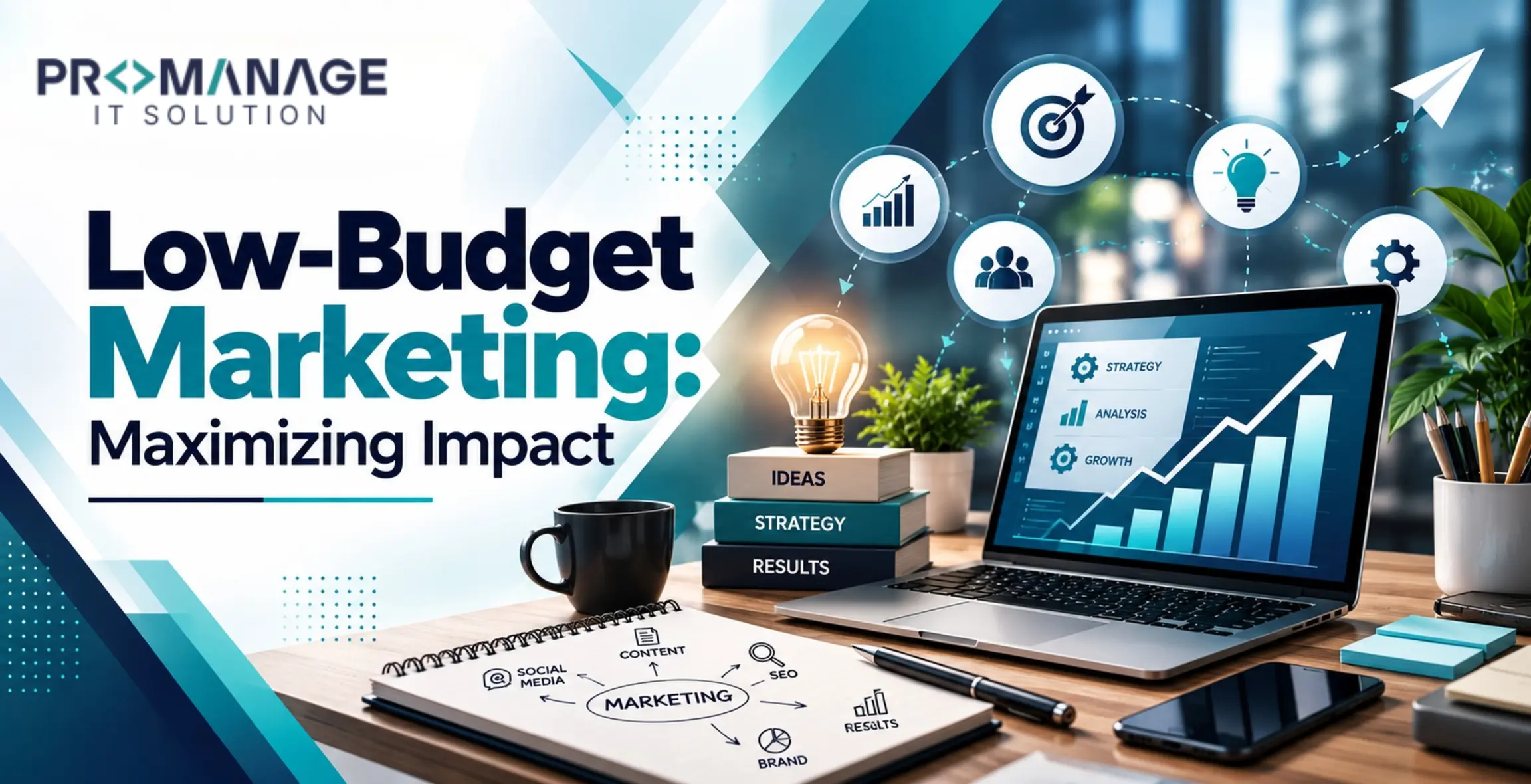
Marketing doesn’t have to be expensive to be effective. In fact, some of the most successful campaigns come from low-budget marketing strategies. The goal is to maximize impact without draining your wallet. But how do you do that? Whether you’re a small business owner or a solo entrepreneur, you can still reach a wide audience. This guide will show you how to use low-cost marketing tactics that pack a punch.
Let’s start with the basics. Low-budget marketing means using resources wisely. It means thinking creatively and using free or inexpensive tools. The focus is on maximizing each dollar spent. Now, this isn’t just a modern idea. For years, businesses have thrived by using smart, budget-friendly tactics. Think about the early days of social media. Many brands found success with simple, organic posts. They didn’t need huge budgets to make an impact.
Today, the landscape is even more diverse. You have more platforms and tools at your disposal. But here’s the kicker: Knowing where to start can feel overwhelming. What if you could decode this without needing a marketing degree? That’s where this guide comes in. We’ll break down strategies, tools, and tips to help you get the most bang for your buck.
So, why does this matter? Because understanding how to market on a budget can lead to massive growth. It’s about being smart, not just spending more. Now, let’s dive into the tactics and strategies that will help you succeed in 2026.
Explore our complete guide to digital marketing services for small businesses to improve online visibility, generate leads, and grow your business.
Key Takeaways
- Leverage free and low-cost online tools to expand your reach.
- Focus on creative, high-impact strategies rather than expensive campaigns.
- Measure your results and tweak strategies for continuous improvement.
Understanding Low-Budget Marketing
Low-budget marketing is all about making the most out of limited resources. It’s not just about spending less, but spending smart. You focus on strategies that offer the highest return on investment (ROI). The idea is to stretch every dollar to achieve great results.
Historically, businesses have always looked for ways to minimize costs. In the 20th century, word-of-mouth was a powerful tool. Today, digital platforms offer similar opportunities. Social media, email marketing, and content creation are cost-effective ways to connect with audiences.
To execute low-budget marketing strategies, start with a clear goal. Decide what you want to achieve. Is it brand awareness, lead generation, or sales? Next, identify your audience. Who are they, and where do they hang out online? Use this information to tailor your message.
Now, think about the tools at your disposal. Social media platforms like Instagram and Facebook are free to use. You can also explore blogging, which is a fantastic way to share your expertise. Content creation doesn’t have to cost a lot. Use your smartphone to create videos or graphics.
As for the future, low-budget marketing ideas will become even more innovative. Expect to see more automation tools that streamline processes. AI-driven analytics will help businesses understand consumer behavior better. The goal is to spend less time guessing and more time executing.
What is Low-Budget Marketing?
Low-budget marketing involves using cost-effective strategies to reach your target audience. It includes leveraging free or inexpensive tools and platforms to maximize ROI.
The Power of Social Media
Social media is a powerhouse for low-budget business marketing. With billions of users worldwide, platforms like Facebook, Instagram, and Twitter offer immense potential. Here’s the beauty of it: You don’t need a huge budget to make an impact. You just need creativity and consistency.
Historically, social media started as a way to connect with friends and family. But savvy businesses quickly saw its potential. They jumped on board, using it to engage with customers and promote products. Today, it’s a cornerstone of any digital marketing strategy.
To make the most of social media, start by choosing the right platforms. Where does your audience spend most of their time? Once you know this, create a content calendar. Plan your posts to keep your feed fresh and engaging.
Engagement is key. Respond to comments and messages promptly. Use hashtags to increase visibility. Collaborate with influencers to reach new audiences. But remember, authenticity is crucial. Your audience can spot a fake from a mile away.
Looking ahead, social media will continue to evolve. New features and platforms will emerge. Businesses need to stay flexible and adapt to these changes. The focus will be on creating genuine connections with audiences, not just selling products. Partner with a Nashville social media agency to strengthen your brand presence, engage your target audience, and grow your business online.
How Can Social Media Benefit Low-Budget Marketing?
Social media allows you to connect with a large audience at little to no cost. It’s effective for brand awareness and fostering customer relationships.
Content Creation on a Budget
Creating content doesn’t have to be expensive. In fact, some of the best content comes from simple, creative ideas. Think about the power of a well-written blog or a viral video. These can drive traffic and engagement without breaking the bank.
Content marketing has been around for decades. In the past, it meant print articles or newsletters. Today, it’s digital, with blogs, videos, and infographics taking center stage. The key is to create value for your audience.
Start by understanding what your audience wants. What problems do they need solutions for? Create content that answers these questions. Use tools like Canva or Adobe Spark to design graphics for free. Your smartphone is a powerful tool for shooting videos.
Consistency is essential. Create a schedule and stick to it. Regular updates keep your audience engaged and coming back for more. Don’t forget to repurpose content. A blog post can become a video or a series of social media posts. Explore how Google handles multiple URLs with the same content and how to avoid duplicate content issues through proper SEO practices.
In the future, expect more interactive content. Polls, quizzes, and live videos will become more popular. These formats increase engagement and keep audiences interested. The focus will be on creating shareable content that resonates with viewers.
How Can I Create Content Without Spending a Lot?
Use free tools for design and video creation. Focus on what your audience needs and create valuable content that addresses those needs.
Email Marketing Strategies
Email marketing is a tried-and-true method for reaching customers. It’s cost-effective and can yield a high return on investment. The trick is to get it right. With a little effort, your emails can lead to more conversions and sales.
In the early days, email was a novelty. Businesses used it to send newsletters and promotions. Over time, it became more sophisticated. Today, it’s a critical tool in any marketer’s arsenal.
To start, build a quality email list. Offer incentives like discounts or free resources in exchange for email sign-ups. Next, craft compelling subject lines. They should be intriguing and encourage recipients to open your email.
Personalization is vital. Use your subscriber’s name and tailor content to their interests. Include clear calls-to-action (CTAs) that guide readers towards the next step. Monitor your campaigns and tweak them based on performance metrics.
Looking forward, email marketing will become more automated. AI will help with personalization and timing, ensuring messages reach the right people at the right time. The focus will remain on delivering value to subscribers, not just pushing sales. for this?
Learn how combining SEO and email marketing can improve search rankings, drive traffic, and increase audience engagement.
Why Is Email Marketing Effective for Low-Budget Marketing Strategies?
Email marketing offers direct access to your audience at a low cost. It’s effective for building relationships and driving conversions.
Collaborations and Partnerships
Collaborations and partnerships can amplify your marketing efforts. They allow you to tap into new audiences without significant spending. The key is to find the right partners who align with your brand values.
Historically, businesses have always collaborated to expand their reach. Joint ventures and co-branding are not new concepts. Today, influencer partnerships and brand collaborations are common strategies.
Start by identifying potential partners. Look for brands or influencers who share your target audience. Reach out with a proposal that highlights mutual benefits. Be clear about your goals and what you bring to the table.
Once you establish a partnership, brainstorm creative ways to collaborate. This might include joint events, cross-promotions, or content co-creation. Keep communication open and transparent for a successful partnership.
In the future, expect more virtual collaborations. Online events and webinars will become more popular. The focus will be on creating meaningful connections and providing value to audiences.
How Do Collaborations Help in Low-Budget Marketing?
Collaborations allow you to reach new audiences without significant costs. They offer shared benefits and can amplify your marketing efforts.
Measuring and Adjusting Strategies
Measuring the success of your marketing efforts is crucial. It helps you understand what works and what doesn’t. With this knowledge, you can adjust strategies to maximize impact. This is especially important for low-budget marketing campaigns, where every dollar counts.
Traditionally, measuring marketing success involved looking at sales and revenue. Today, digital metrics provide deeper insights. You can track website traffic, social media engagement, and email open rates.
Start by setting clear goals and key performance indicators (KPIs). Use analytics tools to monitor performance. Google Analytics and social media insights are great starting points. Review these metrics regularly to understand your audience’s behavior.
Don’t be afraid to pivot if something isn’t working. Test different approaches and see what resonates with your audience. Flexibility is key to adapting to changes and improving outcomes.
Looking forward, more advanced analytics tools will emerge. AI-driven insights will provide deeper understanding and predictions. The focus will be on making data-driven decisions for maximum impact.
Why Is Measuring Marketing Campaign Success Important?
Measuring success helps you identify what works and what doesn’t. This allows you to adjust strategies and maximize your marketing impact.
Exploring Affordable Tools and Resources
Marketing doesn’t have to break the bank. There are plenty of affordable tools and resources available. These can help you streamline processes, track performance, and enhance creativity.
Historically, businesses relied on expensive software for marketing. But the rise of digital tools has changed this landscape. Now, even small businesses can access powerful resources without a hefty price tag.
Start by identifying your needs. Do you need help with content creation, analytics, or social media management? Once you know this, explore the tools available. Canva, Mailchimp, and Buffer are popular choices for their affordability and functionality.
Don’t forget about free resources. Online courses, webinars, and tutorials can enhance your skills without costing a dime. Stay updated with the latest marketing trends and techniques through these resources.
In the future, expect more tools to integrate AI and machine learning. These will offer smarter solutions and deeper insights. The focus will be on making marketing accessible and effective for all businesses. Discover how to turn your social media channels into effective lead generation tools to attract potential customers and grow your business.
What Are Some Affordable Marketing Tools?
Canva for design, Mailchimp for email marketing, and Buffer for social media management are affordable tools that can enhance your marketing efforts.
Glossary of Terms
Understanding marketing terminology can help you navigate strategies more effectively. Here’s a quick glossary of common terms you’ll encounter in low-budget marketing:
- ROI (Return on Investment): A measure of the profitability of an investment.
- SEO (Search Engine Optimization): Techniques to increase website visibility on search engines.
- CTA (Call to Action): A prompt to encourage users to take a specific action.
- Engagement: Interaction between a brand and its audience on digital platforms.
- Analytics: Data analysis to understand and improve marketing strategies.
Frequently Asked Questions
What is the best platform for low-budget marketing?
Social media platforms like Instagram and Facebook are excellent for low-budget marketing due to their vast reach and cost-effectiveness.
How often should I update my marketing strategies?
Regular updates are essential. Review your strategy at least quarterly, and adjust based on performance metrics and market trends.
Can I succeed with marketing if I’m not tech-savvy?
Absolutely. Many tools are user-friendly and require minimal tech skills. Plus, online resources can help you learn and improve.
What is the important aspect of low-budget business marketing strategies?
Creativity and engagement are crucial. Focus on creating valuable content and building relationships with your audience.
Is it worth investing in paid ads for low-budget marketing campaigns?
Paid ads can be effective if used strategically. Consider them for targeted campaigns where you can closely monitor ROI.
Now that you’ve got the lowdown on low-budget marketing, why not give it a try? Implement these strategies with Promanage IT Solution, and see how they can make a difference for your business. Share your thoughts or experiences in the comments. Let’s learn from each other!

Related Posts




SEO Team Lead
Preeti is a skilled SEO Team Lead passionate about boosting organic traffic and improving search rankings. She leads with data-driven strategies to help businesses grow online effectively.