
Cloudflare Is Down Again: What Happened and Why It Affects the Whole Internet
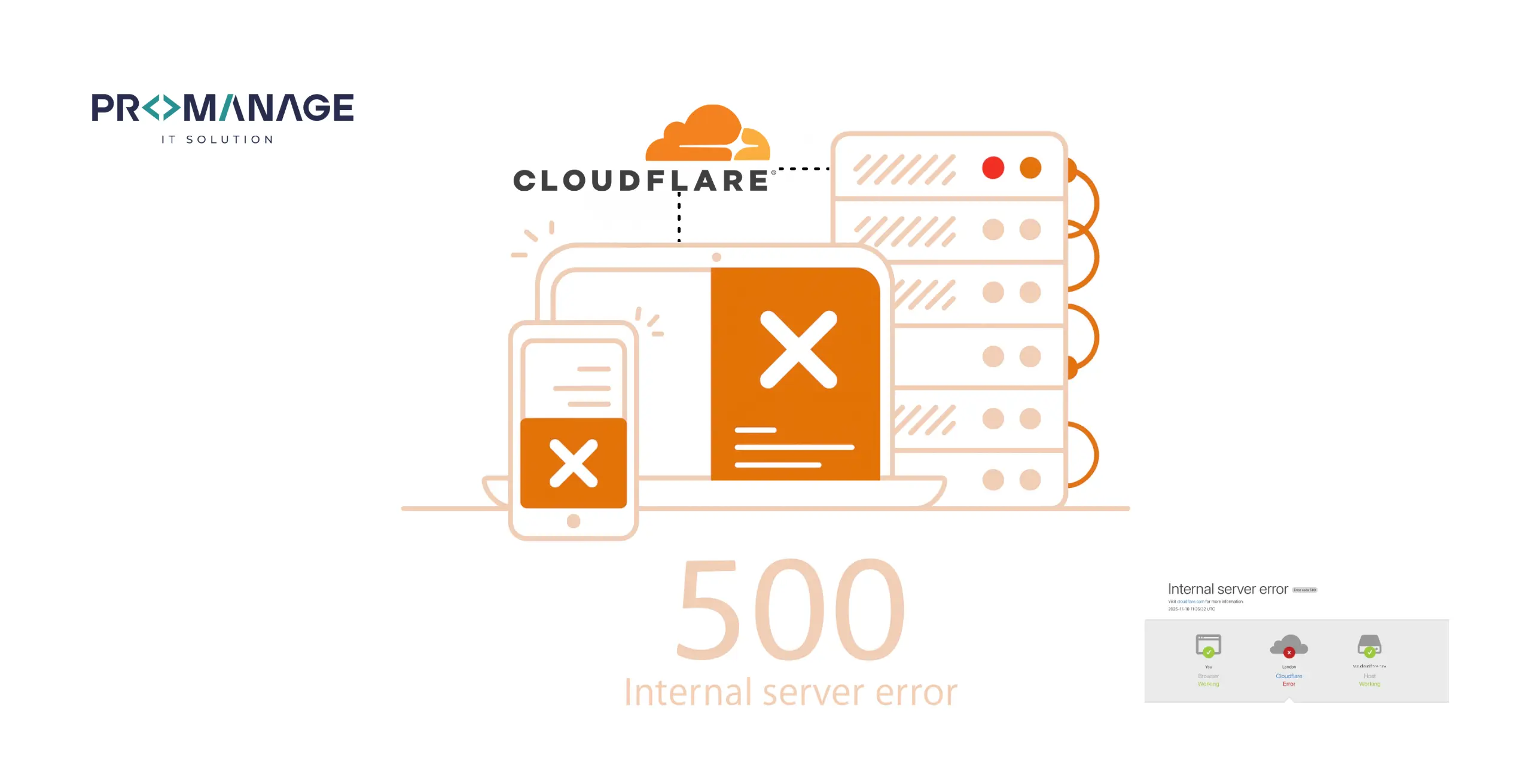
The internet has experienced yet another major disruption today as Cloudflare — one of the world’s largest internet infrastructure companies — faced a fresh outage. Many websites, mobile apps, and online platforms suddenly became slow, unresponsive, or completely unavailable. If you tried opening a website and saw “error,” “connection timed out,” or pages loading endlessly, Cloudflare was most likely the reason.
This incident comes only days after the previous Cloudflare outage, raising concerns about the growing frequency of such disruptions and reminding us how dependent the modern internet has become on a few key service providers.
In simple terms:
When Cloudflare goes down, a big part of the internet goes down with it.
What Is Cloudflare and Why Does It Matter?
To understand the situation, let’s quickly look at what Cloudflare does.
Cloudflare is a global company that provides services like:
- CDN (Content Delivery Network) – helps websites load faster
- DNS (Domain Name System) – helps browsers find websites
- DDoS protection & security – protects websites from cyberattacks
- Traffic routing – directs internet traffic to the fastest paths
- Performance optimisation – improves the user experience
More than 20% of the world’s websites use Cloudflare directly or indirectly. This includes:
- E-commerce stores
- SaaS platforms
- Banks and fintech apps
- News websites
- Government portals
- Social media tools
- Customer support systems
- Small business websites
Because Cloudflare is deeply integrated into the internet’s backbone, even a minor issue on their end can quickly spread and affect millions of users worldwide.
What Happened Today?
Today’s outage caused several common problems:
- Websites were not loading
- Mobile apps failed to connect to servers
- Logins and API requests returned errors
- Online payments were getting stuck
- Images and scripts failed to load
- Some users experienced very slow speeds
People across social media platforms like X (Twitter) and Reddit began posting screenshots of error messages, trying to confirm whether the problem was with their internet or with the websites themselves.
Soon, Cloudflare confirmed that they were experiencing issues and their team was working on a fix.
To make things more worrying, this outage happened shortly after another major disruption earlier this month — raising questions about Cloudflare’s stability.
A Look Back: Recent Cloudflare Outages
1. Outage on 18 November 2025
This was a global incident caused by a bug in an auto-generated configuration file used by Cloudflare’s Bot Management system.
The file grew too large and caused key systems to crash, affecting:
- ChatGPT
- X (formerly Twitter)
- Canva
- Several banking services
- E-commerce websites
- Online APIs
It took some time for Cloudflare engineers to identify and fix the issue.
2. Multiple Outages Earlier in 2025
Other incidents affected services like:
- Cloudflare Workers
- WARP VPN
- Dashboard and API services
- Access & authentication tools
All these disruptions show that while Cloudflare is one of the most powerful companies on the internet, it is still vulnerable to bugs, configuration errors, and network overload.
Why Are Frequent Outages a Problem?
Every time Cloudflare faces a disruption, millions of people worldwide experience:
- Inability to access important websites
- Trouble completing online purchases
- Delayed deliveries of emails and messages
- Login failures for work tools
- Interrupted cloud services
- Missing or broken data due to API timeouts
For businesses, the damage can be serious:
- Lost customers
- Reduced sales
- Lower user trust
- Increased customer complaints
- Possible SEO ranking issues if outages last long
In the digital world, reliability is everything — and frequent outages create uncertainty.
Is the Internet Too Dependent on Cloudflare?
This outage raises a big question:
Is the internet putting too much trust in a single company?
Cloudflare plays a massive role in the functioning of modern websites. When one organisation handles such a big share of global web traffic, even a small internal problem can ripple across the entire internet.
Here’s the reality:
- Cloudflare is extremely efficient and widely trusted
- But centralisation creates risk
- A single failure can trigger global impact
This is similar to how electricity grids work — if one major power station goes down, entire cities can experience blackouts.
What Usually Causes Cloudflare Outages?
While each incident has its own root cause, common reasons include:
1. Software bugs
Unexpected behaviour in new updates or automated systems.
2. Configuration errors
A small mistake in a global setting can affect millions of servers.
3. Network routing issues
Traffic may be misdirected or overloaded.
4. Cyberattacks
DDoS attacks are increasing every year and often target large infrastructure providers.
5. Hardware failure
Rare, but still possible — especially in large data centres.
Cloudflare engineers usually respond quickly, but even a few minutes of downtime can cause widespread disruption due to the scale of their operations.
What Website Owners and Businesses Should Do Now
If you manage a website, online store, or SaaS product, here are the key lessons:
1. Use Multiple DNS Providers
Relying on a single provider is risky. A backup provider can keep your site online during outages.
2. Set Up Real-Time Monitoring
Tools like UptimeRobot, Pingdom, or New Relic can alert you instantly if your website goes down.
3. Create a Backup Hosting Path
Even a simple maintenance page on a separate server can help communicate with users during outages.
4. Keep Clients Informed
For agencies, transparency is essential. Updating your clients quickly builds trust and reduces confusion.
5. Expect the Unexpected
No infrastructure is perfect — not even Cloudflare. Planning ahead is part of modern digital strategy.
What Happens Next?
Cloudflare will likely release an official explanation once their engineers finish investigating the issue. They have a strong history of publishing transparent reports, including detailed root-cause analyses.
But one thing is clear:
We must prepare for a digital world where outages — even global ones — can happen at any time.
As the internet grows more complex, so does the challenge of keeping it reliable.
Final Thoughts
Today’s Cloudflare outage is another reminder of how interconnected and fragile the modern internet truly is. While Cloudflare remains one of the world’s most trusted infrastructure providers, repeated incidents show that no system is perfect.
For individuals, it means temporary inconvenience.
For businesses, it is a warning to strengthen their digital resilience.
For the tech community, it is a call to reduce over-dependency on single-point-of-failure providers.
The internet is powerful — but also vulnerable.
And today’s outage proves that even one company’s glitch can affect millions of people around the world.



SEO Team Lead
Preeti is a skilled SEO Team Lead passionate about boosting organic traffic and improving search rankings. She leads with data-driven strategies to help businesses grow online effectively.